Table of Contents
Table of Contents
In 2026, asking AI for health advice is no longer unusual it’s becoming the first step for many people. Instead of booking a doctor’s appointment right away, users now turn to tools like ChatGPT for quick, personalized guidance. It’s fast, always available, and often feels more approachable than traditional sources. I found myself doing the same thing when my eyes started feeling strained after long hours of screen use. The symptoms were subtle but consistent dryness, slight blur, and that heavy, tired sensation that builds up after continuous scrolling. It wasn’t serious, but it was enough to make me stop and ask a simple question: “How to improve eye vision with ChatGPT?”
The response came instantly, structured and confident. It covered multiple areas daily habits, nutrition, screen usage, and even small lifestyle adjustments. At first glance, everything seemed practical and easy to follow. But eyesight isn’t something you experiment with casually. Small mistakes can turn into long-term issues. So instead of accepting the advice blindly, I decided to compare each recommendation with what eye specialists actually suggest. That comparison revealed something important: ChatGPT is helpful, but only within a clear boundary. It works well as a guide for habits, but it cannot replace medical expertise. This distinction becomes crucial when you’re trying to understand how to improve eye vision with ChatGPT in a realistic and safe way.
What ChatGPT Gets Right About Eye Health
When you break down the response, a clear pattern emerges. ChatGPT focuses heavily on prevention and daily habits rather than promising unrealistic results. This is exactly where AI performs best. Most modern eye problems are not caused by disease alone they are linked to lifestyle. Long screen hours, poor lighting, reduced blinking, and lack of proper breaks all contribute to what we now call digital eye strain. In this context, ChatGPT aligns well with modern eye care practices because it reinforces habits that are already supported by research.
The 20-20-20 Rule: A Simple Habit That Actually Works
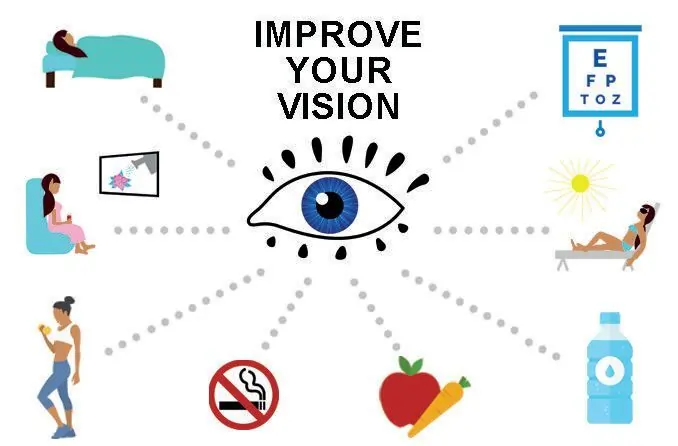
One of the most consistent and valuable recommendations is the 20-20-20 rule for digital eye strain. While it may sound overly simple, it addresses a very real physiological issue. When you focus on a screen for long periods, your eye muscles remain fixed at a single distance. This constant focus creates tension, reduces flexibility, and leads to fatigue. Over time, this can result in discomfort, dryness, and even temporary blurred vision.
The purpose of the 20-20-20 rule is to interrupt that pattern. It gives your eyes a brief recovery period, allowing the muscles to relax and reset naturally.
How to follow the 20-20-20 rule properly:
- After every 20 minutes of screen use, pause your work completely.
- Look at an object at least 20 feet away to shift your focus distance.
- Maintain that focus for at least 20 seconds without distraction.
This habit does not improve your eye power or correct refractive errors, but it significantly reduces strain and improves comfort. If you are seriously exploring how to improve eye vision with ChatGPT, this is one of the few suggestions that consistently delivers real-world benefits. It is simple, practical, and backed by both clinical understanding and everyday experience.
Nutrition and Eye Health: A Long-Term Strategy That Works
Another area where ChatGPT performs well is nutrition. Instead of vague suggestions, it highlights specific nutrients that play a direct role in maintaining eye health. This includes lutein, zeaxanthin, omega-3 fatty acids, and vitamin A. These nutrients are essential for protecting the retina, supporting tear production, and maintaining overall visual function.
For users searching for natural ways to improve eyesight naturally, nutrition offers one of the most realistic and sustainable approaches. Unlike quick fixes or temporary solutions, dietary changes build long-term resilience.
Key nutrients and their roles:
- Lutein & Zeaxanthin → Protect the retina from light damage and oxidative stress
- Omega-3 Fatty Acids → Improve tear quality and reduce dry eye symptoms
- Vitamin A → Essential for night vision and proper retinal function
Simple dietary changes you can apply immediately:
- Include leafy greens such as spinach and kale in your daily meals
- Add eggs, which are a natural source of lutein and zeaxanthin
- Consume fatty fish like salmon or sardines regularly
- Maintain a balanced diet instead of relying only on supplements
This approach aligns closely with modern concepts like nutritional optometry, where food is used as a preventive tool rather than a cure. It’s not about instant improvement it’s about protecting your vision over time.
Screen Setup and Environmental Control: The Hidden Cause of Eye Strain
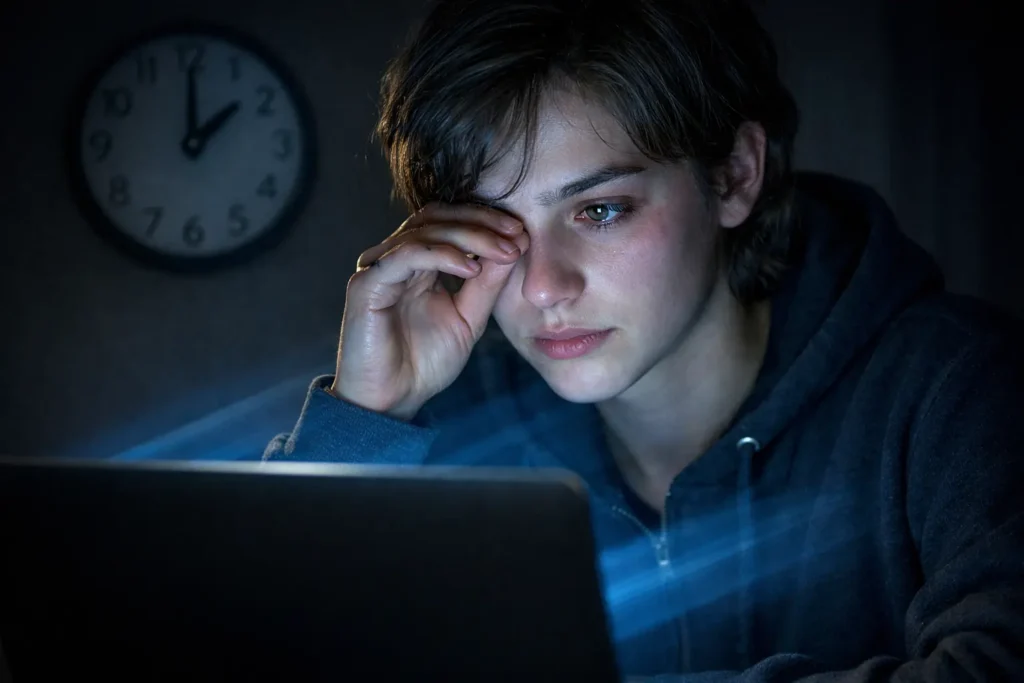
One of the most overlooked aspects of eye health is the environment in which you use your screens. ChatGPT correctly identifies that lighting, screen positioning, and posture have a direct impact on how your eyes function throughout the day. Poor lighting conditions, especially using bright screens in dark environments, force your eyes to constantly adjust. This increases strain and accelerates fatigue.
Many people focus only on “eye problems” without realizing that the issue often comes from how they use their devices.
Important adjustments you should make:
- Maintain balanced ambient lighting to avoid extreme contrast
- Reduce glare by adjusting screen angles or using anti-glare filters
- Keep your screen at eye level to prevent unnecessary strain
- Maintain a comfortable viewing distance (not too close, not too far)
These changes may seem minor, but they create a significant difference over time. This is why many ChatGPT eye health tips 2026 focus more on behavior and environment than medical treatment.
Blinking and Eye Hydration: The Most Ignored Habit
Blinking is something most people never think about—until it becomes a problem. Under normal conditions, blinking keeps your eyes lubricated and prevents dryness. However, during prolonged screen use, your blinking rate drops significantly. This leads to dryness, irritation, and discomfort.
ChatGPT highlights this issue effectively, and this is one of its most practical insights.
Steps to improve eye hydration:
- Make a conscious effort to blink more frequently while using screens
- Take short breaks to allow your eyes to recover naturally
- Use lubricating eye drops if dryness becomes persistent
For anyone following ChatGPT eye health tips 2026, this is one of the simplest yet most effective habits to implement. It does not require effort, equipment, or time—just awareness.
Blue Light and Visual Comfort: Understanding the Reality
Blue light is often misunderstood. Some believe it is highly damaging, while others ignore it completely. The truth lies somewhere in between. ChatGPT suggests using blue light filtering, enabling night mode, and reducing screen exposure before sleep. While blue light does not directly damage the eyes, it affects visual comfort and sleep cycles.
This matters more than it seems. Poor sleep indirectly affects eye recovery, making your eyes feel more strained the next day.
Practical ways to manage blue light exposure:
- Enable night mode on your devices, especially during evening hours
- Use blue light filter glasses if you experience discomfort
- Avoid screens at least 30–60 minutes before sleep
This approach is less about protection and more about improving overall comfort and recovery.
Where ChatGPT Gets It Wrong (And Why It Matters More Than You Think)
By this point, it’s clear that ChatGPT can be helpful when it comes to daily habits and prevention. But the moment you move beyond basic guidance, its limitations start to appear. This is where most users make a critical mistake they assume that helpful advice equals accurate advice. In reality, there is a major difference between AI medical advice vs professional optometrist guidance. AI can organize information and present it clearly, but it cannot evaluate your personal condition, detect early warning signs, or make clinical decisions. That gap is not small—it is the difference between guidance and diagnosis.
The Myth of Eye Yoga and “Natural Fixes”
One of the most common issues in AI-generated advice is the promotion of eye exercises, often called “eye yoga.” These include movements like rolling your eyes, shifting focus between near and far objects, or tracing shapes with your gaze. While these exercises may feel helpful, they are often misunderstood.
The reality is simple. These exercises can reduce temporary strain, but they do not change your vision power.
This becomes a problem when users searching for natural ways to improve eyesight naturally expect permanent results. Conditions like myopia, hyperopia, and astigmatism are caused by the shape of the eye or how light focuses on the retina. No exercise can alter that structure.
Important clarification:
- Eye exercises → Improve flexibility and comfort
- They do not correct refractive errors
- They cannot replace glasses, lenses, or surgery
ChatGPT often presents these exercises without clearly explaining their limitations. That creates false expectations, which can delay proper treatment.
The Risk of Missing Serious Eye Conditions
Another major limitation of ChatGPT is its inability to detect serious medical conditions. Eye diseases often begin with subtle symptoms that may not seem alarming at first. This includes conditions like glaucoma, retinal detachment, and macular degeneration.
The problem is that AI tends to generalize. It may interpret symptoms as minor issues related to fatigue or dryness, when in reality, they could be early warning signs of something serious.
For example, sudden flashes of light or floating spots in your vision might seem harmless, but they can indicate retinal problems. Similarly, gradual vision loss or pressure in the eyes may be linked to glaucoma.
Symptoms you should never ignore:
- Sudden or partial vision loss
- Flashes of light or increased floaters
- Persistent blurred or distorted vision
- Sharp eye pain or pressure
If you rely only on ChatGPT eye health tips 2026, you might miss these warning signs. This is where professional evaluation becomes essential.
The Problem with Over-Simplified Advice
ChatGPT is designed to simplify information, but sometimes that simplification removes important context. Eye health is not one-size-fits-all. Two people can have similar symptoms but completely different underlying causes.
AI does not have access to your medical history, lifestyle details, or physical examination results. It cannot measure eye pressure, examine the retina, or assess nerve health. This means its recommendations are always general, not personalized.
This becomes especially important when comparing AI medical advice vs professional optometrist care. A doctor does not just listen to symptoms—they perform tests, analyze patterns, and make decisions based on clinical evidence.
AI cannot replicate that process.
The Danger of “Natural” Treatment Bias
Another pattern often seen in AI responses is a strong preference for natural or lifestyle-based solutions. While this is not entirely wrong, it can sometimes be misleading.
There is a difference between supporting eye health and treating eye conditions.
For example, a healthy diet can protect your eyes over time, but it cannot cure conditions like cataracts or glaucoma. Similarly, reducing screen time can improve comfort, but it will not reverse structural vision problems.
Key reality check:
- Nutrition → Supports long-term eye health
- Lifestyle changes → Reduce strain and discomfort
- Medical conditions → Require professional treatment
When users search for natural ways to improve eyesight naturally, they often expect quick or complete solutions. ChatGPT may unintentionally reinforce that expectation by presenting natural methods without clear limitations.
2026 Vision Trends ChatGPT Often Misses
Eye care is evolving rapidly, and some of the latest developments are not always fully reflected in AI-generated advice. Understanding these trends gives you a clearer picture of where eye health is heading.
1. Red Light Therapy (670nm)
One of the most discussed emerging treatments is red light therapy for eyes 2026, particularly using wavelengths around 670nm. Early research suggests that this type of light may support mitochondrial function in eye cells, improving energy efficiency and potentially slowing age-related decline.
However, this is still an emerging field. It is not a mainstream treatment yet, and improper use can be ineffective or even harmful. This is an area where AI may provide incomplete or overly optimistic information.
2. Smart Contact Lenses and Wearable Eye Tech
Another major development is the rise of smart contact lenses. These devices are being designed to monitor eye pressure, track health metrics, and detect early signs of diseases like glaucoma.
This represents a shift from reactive treatment to proactive monitoring. Instead of waiting for symptoms, technology is moving toward early detection.
ChatGPT may mention general eye care habits, but it often does not fully capture how rapidly technology is transforming ophthalmology.
How to Use AI Safely for Eye Health
At this point, the goal is not to avoid AI—it’s to use it correctly.
ChatGPT can be a powerful tool if you treat it as a starting point, not a final answer.
The safest approach follows a simple framework:
- Use AI to understand basic concepts and habits
- Identify your symptoms clearly
- Prepare informed questions
- Consult a licensed optometrist or ophthalmologist
- Follow professional diagnosis and treatment
This approach is often called a “triage mindset.” You use AI to organize your thinking, not to replace expert evaluation.
The Real Answer to “How to Improve Eye Vision with ChatGPT”
If you step back and look at everything together, the answer becomes clear.
ChatGPT cannot directly improve your vision.
What it can do is help you improve your habits.
It can guide you toward better routines, help you understand digital eye strain, and support healthier daily behavior. But it cannot diagnose conditions, prescribe treatment, or replace professional care.
That distinction is the most important takeaway.
Final Conclusion: Your Eyes Deserve More Than Guesswork
If you are searching for how to improve eye vision with ChatGPT, you are not alone. Millions of people are doing the same thing. The convenience is real, and the advice can be useful—but only when used correctly.
ChatGPT works best as an assistant. It helps you stay aware, build better habits, and avoid common mistakes. But when it comes to actual eye health, especially anything beyond mild discomfort, professional care is not optional.
Your eyes are not something you experiment with. They are something you protect. And the smartest way to do that is simple: Use AI for awareness. Use doctors for accuracy.
Because when it comes to vision, even small decisions can have long-term consequences.
Choosfy.com is a growing platform where you can explore useful AI tools, and alsoFree Ai Tools, simple tech guides, and the latest AI updates. If you want to learn more about AI tools, just search Choosfy.com in Google. You can also check our free AI tools list and discover more helpful posts on our website.
Recommended Articles
- Eid AI Photo Editing Prompts 2026: Best Google Gemini Prompts for Stunning Eid-ul-Fitr Photos
- Local LLM Setup Guide: How to Run Powerful AI Offline in 2026
- Ranked: Most AI-Proof Jobs in 2026: Careers That Machines Can’t Touch
- How to Add ChatGPT to WhatsApp in 2026: 3 Easy Methods
- Claude Code Prompts: 12 Smart Prompts Every Developer Should Try
- 10 Powerful Things Claude Code Can Do for Programmers
- Claude Code 2.0 vs ChatGPT for Coding: Which AI Is Better for Developers?
- Claude Code 2.0: The AI Coding Assistant Developers Are Switching To
- 20 Best Free AI Content Generator Tools in 2026: Write Better, Faster
- AI Trip Planner India: Plan Your Perfect Trip in Seconds
I am Md Amon Sk, a Website Developer with 2 years of experience. As part of the Choosfy Team, I focus on building quality websites and sharing the latest insights on AI tools.