

AI Tools for Indian Lawyers 2026
The Indian legal profession is undergoing a silent transformation. In 2026, AI tools for Indian lawyers are no longer experimental technologies they are practical assets reshaping how legal work gets done. From instant case law research to automated contract review and intelligent drafting support, artificial intelligence is helping advocates save time, reduce errors, and serve clients more efficiently. As courts continue to digitize and clients demand faster results, lawyers who adopt AI gain a clear competitive edge. This guide explores how AI is redefining modern legal practice across India and why it matters now more than ever.
What Are AI Tools for Indian Lawyers?
AI tools for Indian lawyers are intelligent software systems that use technologies like machine learning and natural language processing (NLP) to assist legal professionals in performing complex tasks more efficiently.
These tools are designed to:
- Analyze large volumes of legal text
- Search and summarize case laws
- Draft legal documents
- Review contracts
- Predict litigation outcomes
- Manage compliance requirements
Unlike traditional legal databases, AI tools understand context, patterns, and relationships within legal data. They can suggest relevant judgments, detect risky clauses in contracts, and even summarize lengthy court decisions in seconds.
Importantly, AI does not replace lawyers. Instead, it enhances their capabilities by automating repetitive work and supporting better decision-making.
Why Indian Lawyers Need AI Tools in 2026
India’s judicial system handles an enormous volume of litigation. Courts like the Supreme Court of India and various High Courts issue detailed judgments that often run into dozens or even hundreds of pages.
For a practicing lawyer, keeping up with:
- New judgments
- Amendments to laws
- Regulatory changes
- Client documentation
- Drafting requirements
can become overwhelming.
AI tools address these challenges in several ways.
Time Efficiency in Legal Research
Legal research is one of the most time-consuming aspects of litigation. Traditionally, advocates would manually search databases, read multiple judgments, and extract relevant paragraphs.
AI-powered research tools now allow lawyers to:
- Enter natural language queries
- Instantly retrieve relevant case laws
- View summarized judgments
- Identify citation history
This drastically reduces research time while improving the quality of arguments.
Better Drafting and Documentation
Drafting petitions, affidavits, contracts, and legal notices requires precision. Even minor errors can create legal complications.
AI drafting tools help by:
- Suggesting standard legal language
- Flagging ambiguous clauses
- Ensuring structural consistency
- Comparing previous versions
This improves both speed and accuracy.
Strategic Litigation Insights
Advanced AI tools analyze historical case data and judicial trends. While they cannot guarantee outcomes, they can offer insights such as:
- How similar cases were decided
- How particular judges interpret specific laws
- The strength of certain legal arguments
This helps lawyers build stronger case strategies.

Best AI Tools for Indian Law Practice and Legal Research in India
The Indian legal system is one of the largest and most complex judicial systems in the world. With millions of pending cases, evolving regulations, and increasingly demanding clients, lawyers today cannot rely only on traditional methods of research and drafting. The legal profession is changing and artificial intelligence is at the center of that change.
AI tools for Indian lawyers are no longer experimental technology. They are practical, productivity-boosting solutions that help advocates, corporate lawyers, in-house legal teams, and law firms work faster and smarter.
In this comprehensive guide, we will explore everything in detail from how AI tools work in Indian law practice to the best AI tools available in India in 2026.
Best AI Tools for Indian Lawyers 2026 Professionals (Detailed Analysis)
Let’s now examine the most powerful AI tools for Indian lawyers in detail.
1. Manupatra
Detailed Features
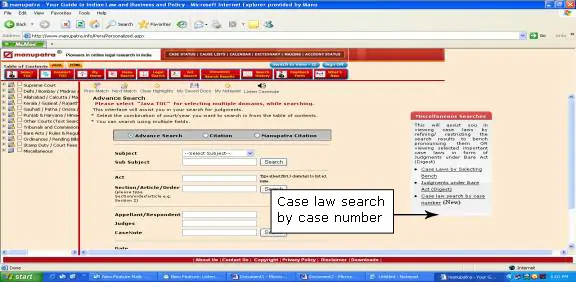
Manupatra is one of India’s leading legal research platforms and has integrated AI-driven search enhancements over the years.
Manupatra offers intelligent search algorithms that allow lawyers to search case laws using natural language queries rather than only strict keywords. The platform also provides citation analysis, which helps lawyers track how a particular judgment has been treated in later cases.
Another major advantage is its case alert system. Lawyers can set alerts for specific legal topics and receive updates when new judgments are delivered.
Best For
Litigating advocates, senior counsel, and researchers who frequently argue in High Courts and the Supreme Court.
2. SCC Online Lawyer
SCC Online is widely respected for its authoritative database of Supreme Court and High Court judgments.
Detailed Features
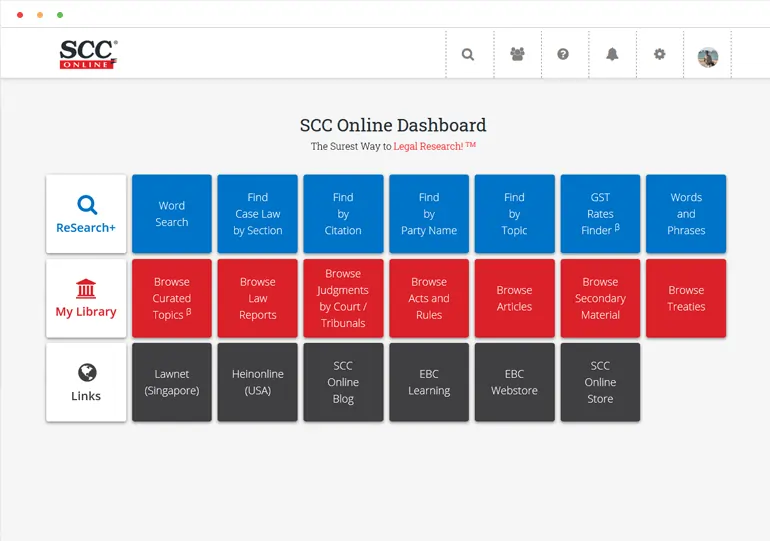
SCC Online provides structured headnotes and editorial insights that help lawyers quickly understand the core issue of a case. Its AI-powered search function refines results based on context and subject classification.
The platform also offers topic-based browsing, which is particularly helpful for lawyers specializing in areas like constitutional law, criminal law, or corporate law.
Best For
Serious legal researchers, appellate lawyers, and law students preparing for judiciary exams.
3. ChatGPT Lawyer
ChatGPT has become one of the most versatile AI tools for law in India when used responsibly.

How Lawyers Use ChatGPT
Indian lawyers use ChatGPT for:
- Drafting basic legal notices
- Creating agreement templates
- Summarizing long judgments
- Explaining complex legal concepts
- Structuring arguments
However, it is essential to verify all outputs manually. AI-generated content should always be reviewed before submission in court or sharing with clients.
Best For
Solo practitioners, young advocates, legal content creators, and law students.
4. SpotDraft Lawyer
SpotDraft is an Indian legal-tech company specializing in contract lifecycle management.
Detailed Features
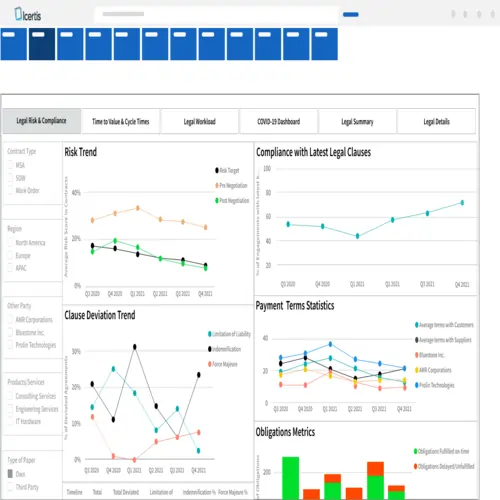
SpotDraft allows legal teams to automate repetitive contract drafting tasks. It includes clause libraries, risk detection systems, and automated approval workflows.
The platform also tracks contract versions and ensures that no unauthorized changes are made.
Best For
Corporate lawyers, startups, and in-house legal departments.
Best AI Tools for Indian Lawyers 2026 List-
| Tool | Primary Use | Key Features | Link |
|---|---|---|---|
| VIDUR AI | All-in-one Legal AI | Templates, drafting, citations | Visit |
| Draft Bot Pro | Drafting & Research | Legal research workspace | Visit |
| CaseMine | Legal Research | Citation mapping, contextual search | Visit |
| LegitQuest | Indian Legal Research | Smart search, fast retrieval | Visit |
| Bharat Law AI | Judgment Summary | Condensed case summaries | Visit |
| ChatGPT | Drafting & Research | Summarizing, structuring content | Visit |
| Spellbook | Contract AI | Clause review & automation | Visit |
| Lexis+ AI | Research & Drafting | Workflows, legal analysis | Visit |
| Harvey AI | Enterprise Legal AI | Due diligence, analysis | Visit |
| AI Lawyer | Legal Assistant | AI-based support & drafting | Visit |
How to Choose the Right AI Tool for Law in India
Before selecting an AI tool, consider:
- Your area of practice
- Budget and subscription cost
- Data security standards
- Integration with existing systems
- Customer support and updates
Litigation lawyers may prioritize research platforms, while corporate lawyers may prefer contract automation tools.
Step-by-Step Guide – How to Start Using AI as an Indian Lawyer
Adopting AI in legal practice does not require a complete overhaul of your workflow. It can be implemented gradually and strategically. Here is a simple step-by-step approach for Indian lawyers who are just getting started.
Step 1: Identify Repetitive Tasks
Begin by identifying tasks that consume most of your time, such as legal research, drafting standard notices, contract review, or case summarization. These repetitive activities are ideal for AI assistance.
Step 2: Choose the Right AI Tool for Your Practice Area
Litigation lawyers may prioritize AI research platforms, while corporate lawyers may benefit more from contract automation tools. Select a tool that aligns with your daily legal responsibilities rather than adopting multiple tools at once.
Step 3: Start with Research and Draft Assistance
Use AI initially for legal research queries, judgment summaries, and basic draft structuring. This allows you to test accuracy and understand how the system supports your workflow without risking critical filings.
Step 4: Verify and Refine Every Output
AI-generated content must always be reviewed manually. Treat AI as a junior assistant, not as a final decision-maker. Ensure all citations, legal provisions, and case references are cross-checked before submission.
Step 5: Integrate AI into Daily Workflow
Once comfortable, gradually integrate AI tools into client advisory, compliance tracking, and document management processes. Over time, this can significantly improve efficiency and turnaround time.
By adopting AI strategically, Indian lawyers can enhance productivity while maintaining professional standards and ethical responsibility.
Benefits of AI Tools for Indian Lawyers
AI tools offer multiple advantages:
- Faster legal research
- Improved drafting accuracy
- Better document management
- Reduced operational costs
- Enhanced client satisfaction
They also help small law firms compete with larger firms by improving efficiency.
Ai Lawyer Risks and Challenges
While AI is a powerful ally, it is not infallible. Indian lawyers must stay vigilant about: Always follow NITI Aayog.
- AI Hallucinations: Generative AI can sometimes invent case names or citations. Always verify the output through a primary source like SCC or a government gazette.
- Client Confidentiality: Never input sensitive, identifiable client data into a “public” AI (like the free version of ChatGPT). Use enterprise-grade AI tools for Indian lawyers that offer data encryption.
- The “Black Box” Problem: It can be hard to explain to a judge how an AI reached a specific conclusion. Always ensure you understand the legal logic yourself.
Pro Tip: Treat AI as a highly efficient first-year associate. You wouldn’t sign a petition drafted by a junior without reading it; don’t do it with AI either.
AI Tools vs Traditional Legal Practice in India
Traditional legal practice in India relies heavily on manual research, physical law reports, extensive paperwork, and junior associate support. While this method has built a strong foundation for the profession, it is often time-consuming and dependent on manpower.
AI-powered legal tools significantly streamline these processes. They can quickly retrieve relevant precedents, summarize lengthy judgments, assist in drafting, and identify contract risks in minutes instead of hours.
However, AI does not replace courtroom advocacy, legal reasoning, or strategic judgment. The most effective approach is a balanced one—combining AI efficiency with traditional legal expertise to enhance productivity while maintaining professional standards.
Conclusion: The Future of AI in Indian Law
AI tools for Indian lawyers are not a luxury anymore they are becoming a necessity. From research platforms like Manupatra and SCC Online to AI assistants like ChatGPT and contract management systems like SpotDraft, technology is reshaping how law is practiced in India. Must be follow Ai Law.
Lawyers who adapt early will gain a competitive advantage. Those who ignore AI risk falling behind in efficiency and client expectations.
The future of Indian law is not about humans versus AI. It is about lawyers who use AI versus those who do not.
If you found this guide helpful, consider sharing it with your colleagues and legal networks. The legal profession is evolving — and staying informed is the first step to staying ahead.
Related AI Guides
→ How to Use ChatGPT in 2026 for Maximum Productivity
→Step-by-Step Guide to Building an Autonomous AI Code Agent
→ Complete 2026 Roadmap to Learn Generative and Agentic AI
→ AI vs Human Jobs in 2026: Which Careers Are Future-Proof?
FAQs – AI Tools for Indian Lawyers
Are AI tools for Indian lawyers legal to use in court practice?
Yes, AI tools are legal to use for research, drafting assistance, and document review. However, lawyers remain fully responsible for verifying all information before filing documents or presenting arguments in court. AI should be used as a support tool, not a substitute for professional judgment.
Can AI tools replace Indian lawyers?
Are AI tools for Indian lawyers legal to use in court practice?
Yes, AI tools are legal to use for research, drafting assistance, and document review. However, lawyers remain fully responsible for verifying all information before filing documents or presenting arguments in court. AI should be used as a support tool, not a substitute for professional judgment.
Which AI tools are best for Indian legal research?
Some of the most commonly used AI-powered research platforms in India include Manupatra, SCC Online, and CaseMine. These tools help lawyers quickly find relevant judgments, analyze citations, and track case history.
Is it safe to upload client documents to AI tools?
Lawyers must exercise caution when uploading confidential client documents to AI platforms. It is important to review the tool’s data privacy policy and ensure compliance with professional ethical standards. Sensitive information should only be shared on secure and trusted platforms.

I am Md Amon Sk, a Website Developer with 2 years of experience. As part of the Choosfy Team, I focus on building quality websites and sharing the latest insights on AI tools.
