Artificial Intelligence is everywhere today — from chatbots answering questions to AI diagnosing diseases. But the real question many people ask is: can AI be 100 trusted?
With tools like ChatGPT, AI-powered healthcare systems, and automated decision-making in schools and cybersecurity, trust has become a serious concern. People wonder: can ChatGPT be trusted? Can I trust ChatGPT answers? Is AI 100 reliable?
Can AI Be 100% Trusted? Truth, Ethics, Healthcare & Schools Explained
In this article, we’ll break down the truth about AI trust, ethics, healthcare use, schools, and cybersecurity — in a simple, human way.
Understanding the Core Question: Can AI Be 100 Trusted?
Let’s be honest: the idea that can AI be 100 trusted has a simple answer — No technology is 100% perfect.
AI works based on:
- Data
- Algorithms
- Patterns
- Probabilities
It does not “understand” truth the way humans do. It predicts the most likely answer based on training data. That’s why sometimes AI gives outdated or incorrect responses.
Is AI 100 Reliable?
No system is is AI 100 reliable — not humans, not software, not machines. AI can:
- Make hallucinated responses
- Reflect biased training data
- Misinterpret context
- Provide confident but wrong answers
So if someone asks, can AI be 100 trusted in today’s date? — the realistic answer is:
👉 AI is powerful, but not perfect.
Can AI Be Trusted ChatGPT & Chatbots?
Many users ask:
- can ai be trusted chatgtp
- can chatgpt be trusted
- can I trust chatgpt answers
- can we trust chat gpt information
- can ai be trusted chatbots
Here’s the balanced truth.
When ChatGPT Can Be Trusted
- General explanations
- Brainstorming ideas
- Content drafting
- Coding assistance
- Language correction
When You Should Double-Check
- Medical advice
- Legal matters
- Financial decisions
- Breaking news
- Academic citations
As Md Amon Sk, I personally use AI daily for research and content drafting. But I always verify critical information from trusted sources. AI is a tool — not an authority.
AI Ethics: The Real Trust Problem
The real issue behind is AI trustworthy is ethics.
Key Ethical Concerns:
- Data privacy
- Algorithmic bias
- Transparency
- Accountability
- Manipulation risks
If an AI system is trained on biased data, it can produce biased outcomes. That affects:
- Job recruitment
- School grading
- Loan approvals
- Policing systems
So trust depends more on who builds the AI and how it’s trained.
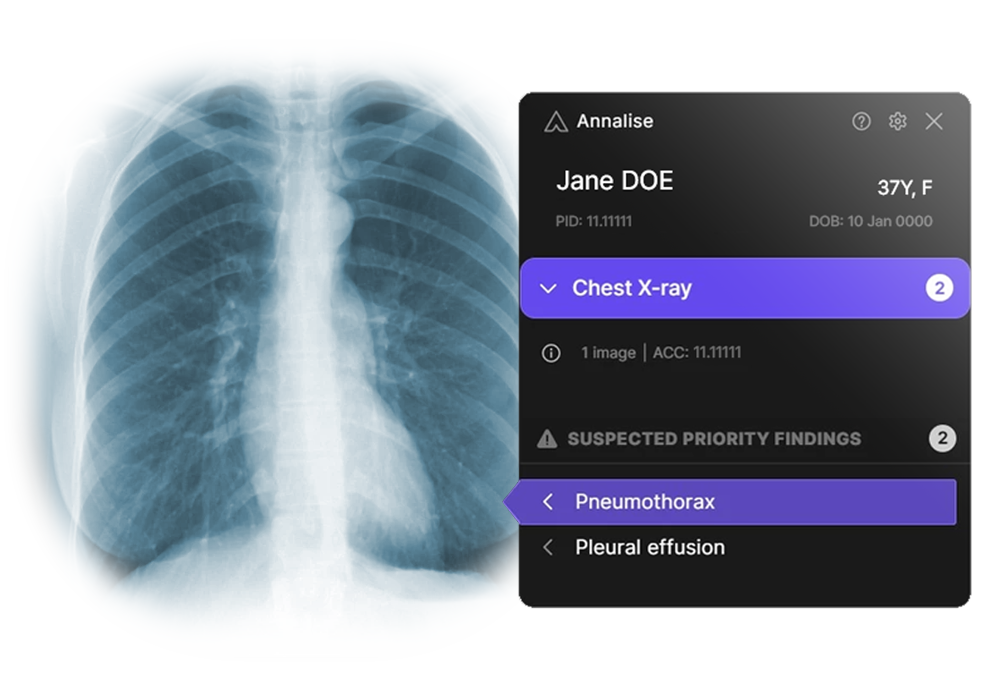
Can AI Be 100 Trusted in Healthcare?
Healthcare is where trust becomes life-critical.

Can AI Be 100% Trusted? Healthcare
Can AI Be 100% Trusted? Healthcare
AI in healthcare is used for:
- Disease detection
- Radiology scans
- Drug discovery
- Predictive analytics
- Patient monitoring
Benefits
- Faster diagnosis
- Pattern detection humans may miss
- Reduced human error in repetitive tasks
Risks
- Wrong predictions
- Lack of emotional understanding
- Data breaches
So, can AI be 100 trusted in healthcare?
No — but it can be a powerful assistant when supervised by doctors.
AI should support doctors, not replace them.
AI in Schools: Can Students Trust It?
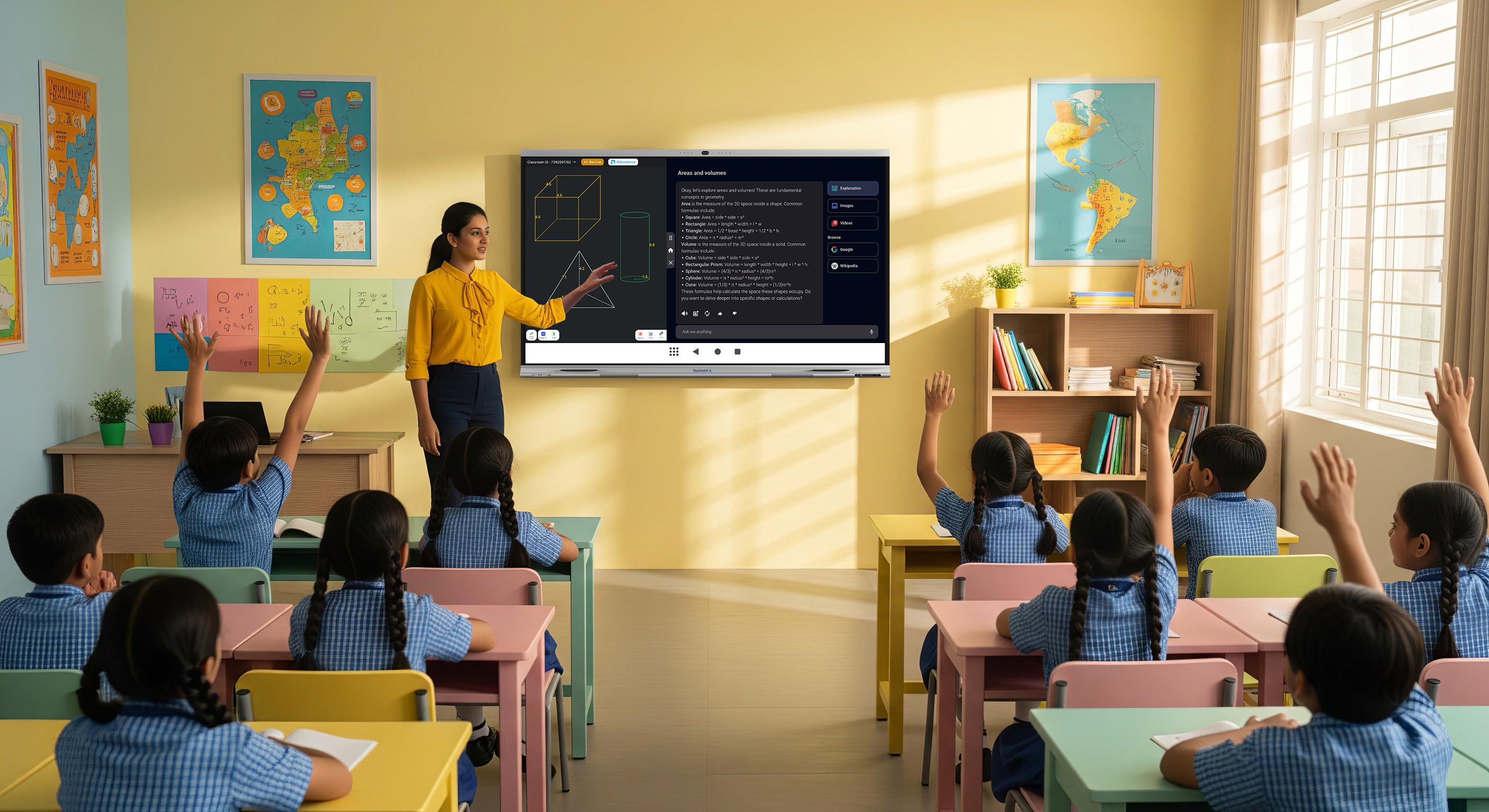
can ai be 100% trusted for school student
Schools are rapidly adopting AI tools for:
- Homework assistance
- Automated grading
- Personalized learning
- Attendance monitoring
But concerns remain:
- Students over-relying on AI
- Misinformation
- Academic dishonesty
- Reduced critical thinking
If students ask, can I trust ChatGPT answers?
The answer is: Trust, but verify.
AI should be:
- A learning companion
- Not a shortcut
- Not a replacement for understanding
As Md Amon Sk, I always recommend using AI to understand concepts — not copy answers.
Can AI Be Trusted to Make Decisions About Cyber Security?
Another serious question people ask is:
can AI be trusted to make decisions about cyber security
AI is heavily used in:
- Threat detection
- Fraud prevention
- Malware analysis
- Real-time attack monitoring
Strength of AI in Cybersecurity
- Processes massive data instantly
- Detects unusual behavior patterns
- Works 24/7 without fatigue
Weakness
- Can be tricked by adversarial attacks
- May misclassify threats
- Over-automation can reduce human oversight
So again — AI should assist cybersecurity experts, not fully replace them.
Pros and Cons of Trusting AI
✅ Pros
- Speed and efficiency
- Reduces repetitive human errors
- 24/7 availability
- Cost-effective scaling
- Data-driven decision support
❌ Cons
- Bias risks
- Data privacy concerns
- Hallucinated answers
- Overdependence
- Lack of moral judgment
So, Can AI Be 100 Trusted?
Let’s directly answer the primary keyword question:
can AI be 100 trusted?
No.
But here’s the deeper truth:
- AI is not 100% reliable.
- AI is not 100% ethical automatically.
- AI is not 100% accurate.
However…
AI can be:
- Highly useful
- Increasingly accurate
- Ethically designed
- Carefully supervised
Trust should be conditional, not blind.
Real-World Example
In 2023, several AI chatbots provided incorrect legal citations in court documents. Lawyers trusted the output without verifying it. That created serious consequences.
This proves one thing:
AI is powerful — but human responsibility remains essential.
Expert Insight – Md Amon Sk
From my practical experience using AI daily for content research and productivity:
- AI speeds up thinking.
- AI expands creativity.
- AI saves time.
- But AI must always be verified for important matters.
The smartest approach is not asking,
“Is AI 100 reliable?”
Instead ask,
“How can I use AI responsibly?”
That mindset makes the difference.
Conclusion: Can AI Be 100 Trusted?
To conclude, can AI be 100 trusted?
The honest answer is no — but that doesn’t mean AI is dangerous or useless.
AI is a tool.
Like a calculator.
Like the internet.
It depends on:
- Who builds it
- Who supervises it
- Who verifies it
- How responsibly it is used
So instead of asking, “Can AI be 100 trusted?”
Ask: “Am I using AI wisely?”
That’s the real future of trust.
Can AI be 100 trusted in today’s date?
No, AI cannot be 100% trusted because it relies on data patterns and probabilities, not true understanding.
Can ChatGPT be trusted for accurate answers?
ChatGPT can be trusted for general information, but important medical, legal, or financial advice should always be verified.
Can AI be trusted chatbots for education?
AI chatbots can help students learn concepts, but answers should be cross-checked with textbooks or teachers.
Can AI be trusted to make decisions about cyber security?
AI can assist in detecting threats, but human cybersecurity experts should supervise final decisions.
I am Md Amon Sk, a Website Developer with 2 years of experience. As part of the Choosfy Team, I focus on building quality websites and sharing the latest insights on AI tools.
