Why Medical Billing and Coding Is a Growing Career
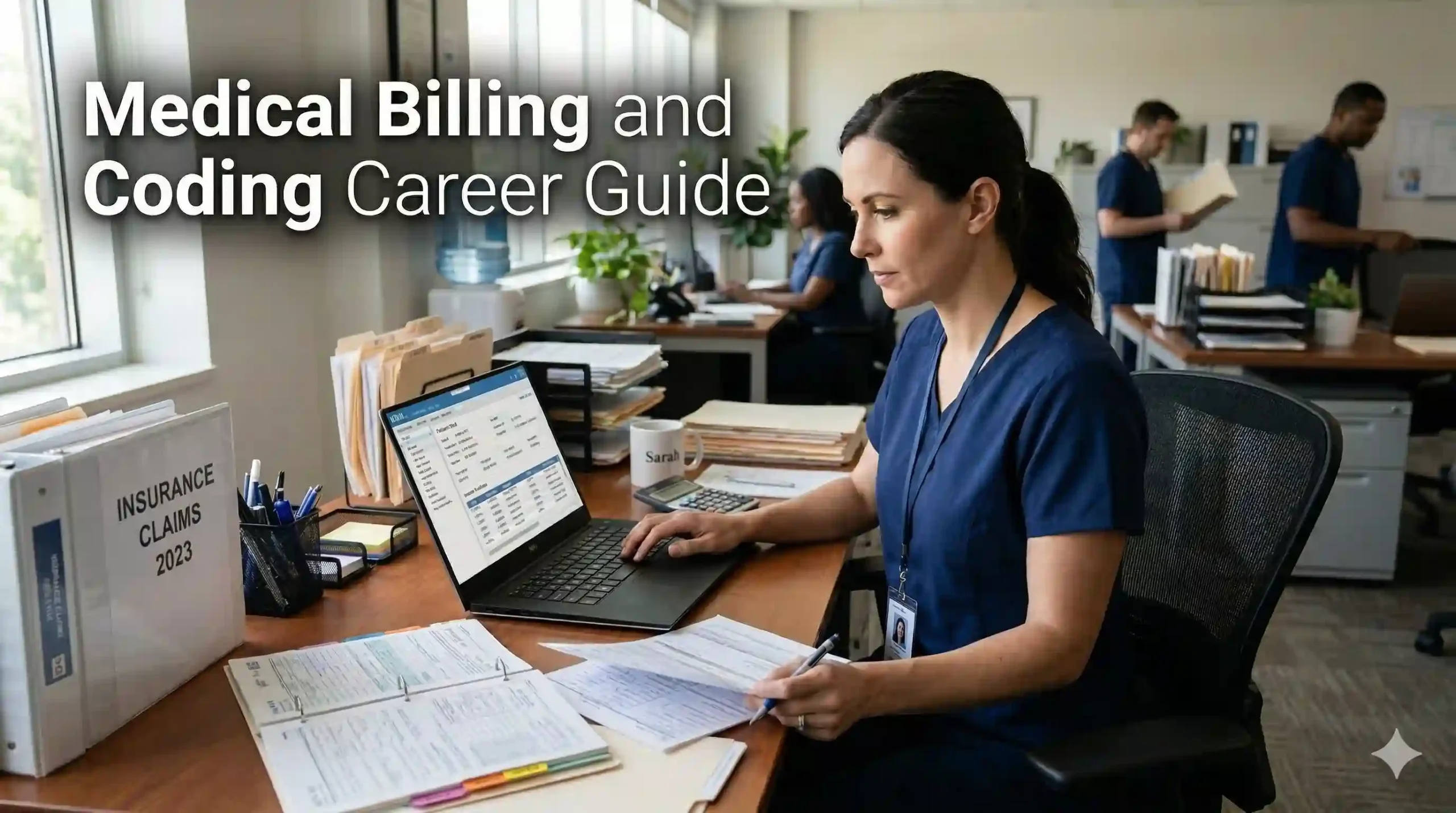
Healthcare is one of the fastest-growing industries in the world. Hospitals, clinics, and healthcare organizations treat millions of patients every day. Behind every doctor visit, test, or treatment, there is a system that records medical information and handles payments. This system depends on trained professionals who understand medical billing and coding. Medical billing and coding professionals help healthcare providers receive payment for medical services. They also make sure that patient records are accurate and properly documented. Without these professionals, hospitals would struggle to manage insurance claims and patient billing systems.
Many people today are interested in starting a medical billing and coding career because the training time is shorter than many other healthcare professions. Instead of studying for several years, many people can enter this field after completing a certification program or short healthcare administration course. Another reason this career is attractive is the variety of work environments available. Medical billing and coding specialists can work in hospitals, clinics, insurance companies, healthcare service providers, or even remote healthcare administration roles.
In this career guide, you will learn what medical billing and coding professionals do, what skills are required, what training is needed, and how you can start a career in medical billing and coding. Health information management certification resources. To get proper training, check our list of online medical billing and coding certification programs.
What Is Medical Billing and Coding?
Medical billing and coding are two closely related roles within healthcare administration. Both jobs focus on managing healthcare records and ensuring that healthcare providers receive payment for medical services.
Medical coding involves reviewing medical records and translating medical diagnoses and procedures into standardized codes. These codes are used by healthcare organizations and insurance companies to understand the treatments provided to a patient.
Medical billing focuses on preparing and submitting insurance claims based on those codes. Medical billing specialists communicate with insurance companies, submit claims, track payments, and manage patient billing records.
Together, medical billing and coding ensure that healthcare providers receive accurate payments and maintain proper documentation for patient treatments.
Because these two roles work closely together, many healthcare training programs teach both medical billing and coding skills in the same course.
What Does a Medical Billing and Coding Specialist Do?
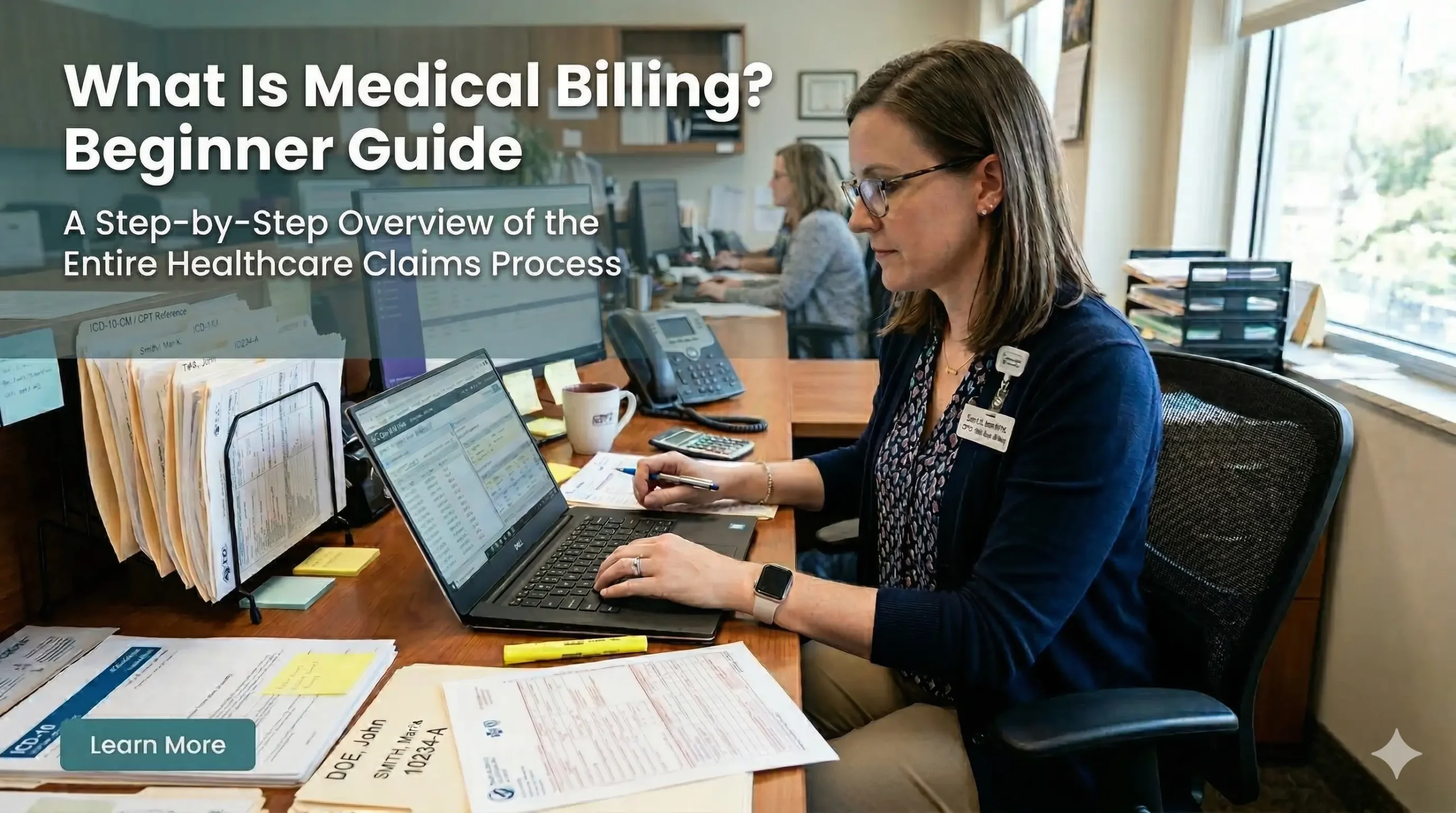
A medical billing and coding specialist performs several important tasks within healthcare administration. Their primary responsibility is to manage medical documentation and insurance claims for healthcare providers.
Some of the most common responsibilities include reviewing patient records, assigning medical codes to diagnoses and treatments, preparing insurance claims, and submitting those claims to insurance companies.
Medical billing and coding specialists must also review claim responses from insurance companies. If a claim is rejected, they must identify the problem and correct the error before resubmitting the claim.
In addition to insurance claims, billing specialists may also manage patient billing statements and help healthcare organizations maintain accurate financial records.
These professionals often work closely with doctors, nurses, healthcare administrators, and insurance representatives to ensure that patient records and billing information are correct.
Because healthcare systems rely on accurate documentation, the work of medical billing and coding specialists is very important.
Medical Billing vs Medical Coding
Although medical billing and coding are closely connected, they involve different responsibilities.
Medical coding specialists focus on reviewing medical records and assigning standardized codes to diagnoses and procedures. These codes allow healthcare providers and insurance companies to communicate using a universal system.
Medical billing specialists use those codes to prepare insurance claims and submit them to insurance providers for payment. Medical coders work mainly with medical documentation, while medical billers work with insurance claims and payment systems. However, many healthcare organizations train employees to understand both areas so they can manage multiple tasks within the healthcare billing system.
This is why many training programs offer combined courses in medical billing and coding.
Skills Needed for a Medical Billing and Coding Career
A successful medical billing and coding career requires a combination of technical knowledge and professional skills.
One of the most important skills is attention to detail. Even small errors in medical coding or billing information can cause insurance claims to be rejected or delayed. Medical billing and coding specialists must also understand medical terminology. Doctors and healthcare providers use complex medical language in patient records, and specialists must be able to interpret this information correctly.
Computer skills are also essential because most healthcare billing systems are digital. Specialists must use healthcare software to manage patient records and submit insurance claims.
Communication skills are also important. Billing specialists often communicate with insurance companies and healthcare staff when resolving claim issues. Strong organizational skills help professionals manage multiple patient records and billing tasks efficiently.
Training programs in medical billing and coding usually help students develop these skills through practical exercises and real-world examples.
Education and Training for Medical Billing and Coding
Starting a career in medical billing and coding usually requires specialized training. Many beginners choose certification programs that focus on healthcare administration skills.
These training programs teach students how to read medical records, apply medical coding systems, and manage insurance claims.
Courses often include lessons on medical terminology, healthcare documentation, insurance billing procedures, and healthcare compliance regulations. Some students complete short certificate programs that can be finished in less than a year. Others choose more advanced programs that provide additional healthcare administration training.
Many educational institutions now offer online medical billing and coding certification programs. Online learning allows students to study at their own pace and gain healthcare administration skills from home.
After completing training, some students choose to earn professional certification to improve their job opportunities in healthcare administration.
Career Opportunities in Medical Billing and Coding
There are many career opportunities available for professionals trained in medical billing and coding.
Hospitals and clinics often hire specialists to manage patient records and insurance claims. Healthcare offices also require professionals who understand billing systems and medical documentation.
Insurance companies hire medical billing specialists to review claims and process payments. Healthcare outsourcing companies also hire trained professionals to manage billing and coding tasks for multiple healthcare providers.
Some common job titles in this field include medical billing specialist, medical coding specialist, medical records technician, healthcare documentation specialist, and insurance claims analyst.
With experience, professionals may move into supervisory or management roles within healthcare administration departments.
Because healthcare services continue to expand, the demand for trained professionals in medical billing and coding remains strong.
Can You Work Remotely in Medical Billing and Coding?
One of the advantages of a medical billing and coding career is the possibility of remote work.
Many healthcare organizations now use digital healthcare documentation systems. This allows trained professionals to manage billing and coding tasks from home using secure healthcare software. Remote healthcare administration roles are especially common in medical billing services companies and healthcare outsourcing organizations.
Professionals who gain experience in the field may have opportunities to work as remote billing specialists or coding specialists.
However, beginners often start their careers in hospitals or healthcare offices before transitioning to remote positions.
How to Start a Career in Medical Billing and Coding
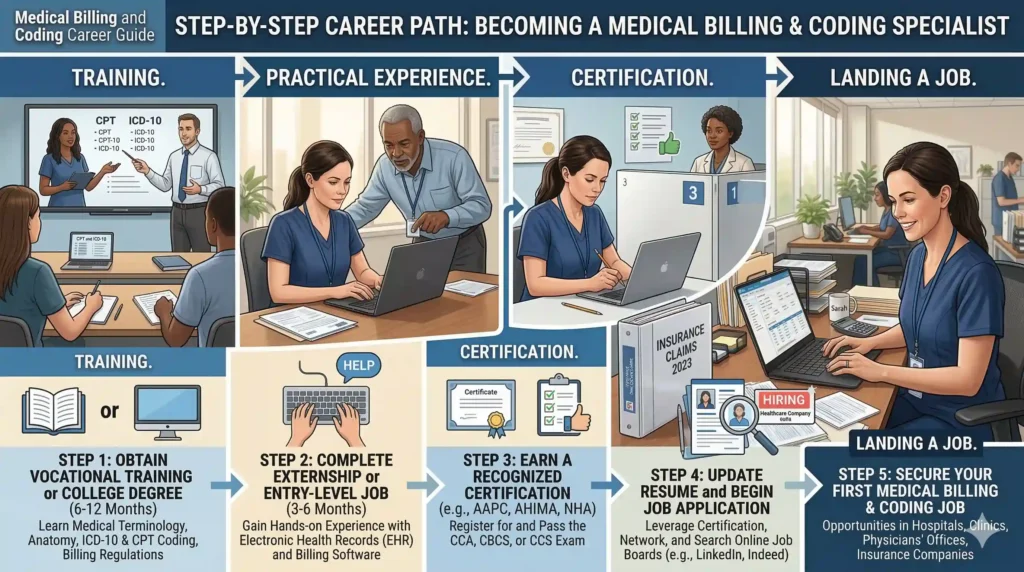
Starting a medical billing and coding career usually begins with education and training.
The first step is learning the basics of healthcare billing systems and medical coding processes. Many students enroll in training programs that teach medical billing, coding systems, and healthcare documentation.
The next step is gaining practical experience through training exercises and coursework.
After completing training, students can apply for entry-level positions in hospitals, clinics, insurance companies, or healthcare service providers. Some professionals choose to earn certification to demonstrate their knowledge and improve their chances of finding employment.
With experience and continued learning, professionals can build long-term careers in healthcare administration. medical coding certification programs from AAPC.
Conclusion
Medical billing and coding play an essential role in the healthcare industry. These professionals ensure that patient records are documented correctly and that healthcare providers receive payment for medical services.
Because the healthcare industry continues to grow, the demand for skilled billing and coding specialists remains strong. This career offers opportunities to work in hospitals, clinics, insurance companies, and healthcare administration offices. For people interested in healthcare careers that combine organization, technology, and problem-solving, medical billing and coding can be an excellent career path.
With proper training, dedication, and practical experience, anyone can begin a successful medical billing and coding career and become an important part of the healthcare system.
FAQs About Medical Billing and Coding Careers
Is medical billing and coding a good career?
Yes, medical billing and coding is considered a stable healthcare career. Healthcare providers always need professionals who can manage patient records and insurance claims.
How long does it take to learn medical billing and coding?
Many training programs can be completed within six months to one year, depending on the course structure.
Do you need a degree to work in medical billing and coding?
A degree is not always required. Many professionals begin their careers after completing certification programs.
Can medical billing and coding jobs be done remotely?
Yes. Some experienced professionals work remotely for healthcare companies or medical billing service providers.
Choosfy.com is a growing platform where you can explore useful AI tools, and alsoFree Ai Tools, simple tech guides, and the latest AI updates. If you want to learn more about AI tools, just search Choosfy.com in Google. You can also check our free AI tools list and discover more helpful posts on our website.
Recommended Articles
- Most People Use AI Tools Wrong — Try These 4 Simple Tricks Instead
- Free AI Tools List 2026: Best Free AI for Video, Image, and Productivity
- AI Tools for Students: Study Faster and Smarter in 2026
- Hidden AI Tools 2026: Powerful New AI Tools Most People Don’t Know
- Make Money with AI: Free AI Tools That Can Help You Earn Online
- How to Get Premium AI Features for Free in 2026
- How to Access Gemini AI Premium Features Free
- 10 Practical Problems ChatGPT Can Solve Better Than a Professional
- How to Use ChatGPT in 2026: Beginner to Advanced Guide
- AI Tools for Handwriting Notes Free in 2026
- AI Trip Planner India
- 20 Best Free AI Content Generator Tools in 2026
- Claude Code 2.0: The AI Coding Assistant Developers Are Switching To

I am Md Amon Sk, a Website Developer with 2 years of experience. As part of the Choosfy Team, I focus on building quality websites and sharing the latest insights on AI tools.

3 thoughts on “Medical Billing and Coding Career Guide”
Comments are closed.